Anchor charts in the classroom are visual aids that help students understand and remember key skills and concepts in English Language Arts instruction. They are an effective tool for promoting student engagement, enhancing learning, and developing critical thinking skills. In this blog post, we’ll explore the benefits of using anchor charts in English Language Arts instruction.

Anchor charts help to make abstract concepts concrete by providing a visual representation of key skills and concepts. This can help students to understand and remember the information better, as they can see the relationships between different elements. For example, an anchor chart on story elements can show the different parts of a story, making it easier for students to understand the concept.
Anchor charts can be general or specific, depending on your students’ needs. You may create a bulletin board that displays general information for various reading skills, or focus on one or two reading skills at a time and provide anchor charts with more in-depth information for each skill. Either way, anchor charts in the classroom are a beneficial and effective way to meet students’ varying needs.
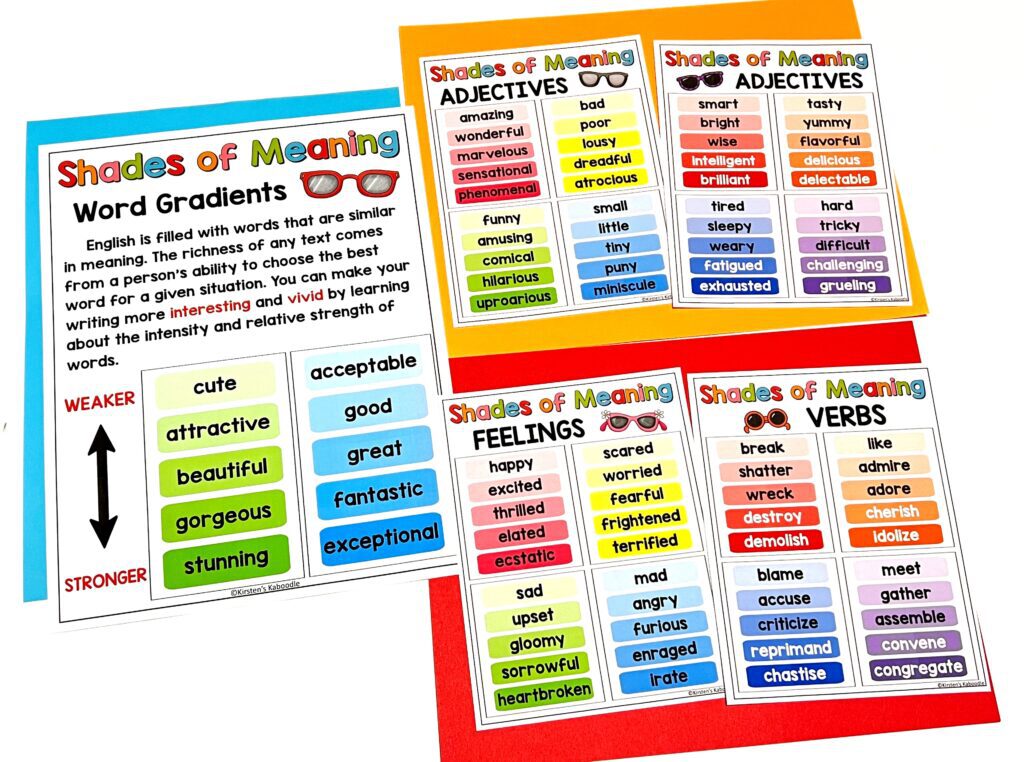
Anchor charts in the classroom help to develop critical thinking skills by encouraging students to analyze and synthesize information. This is because anchor charts often require students to identify relationships between different elements and make connections between the information presented. By engaging in this process, students develop the ability to analyze and interpret information, a critical component of effective critical thinking.
Anchor charts serve as references for future learning, providing students with visual representations of key skills and concepts they can consult at any time. When anchor charts are available in “mini-size” versions, students can paste them into interactive notebooks or bind them together with binder rings for future reference. This helps reinforce learning and promotes long-term retention of information.
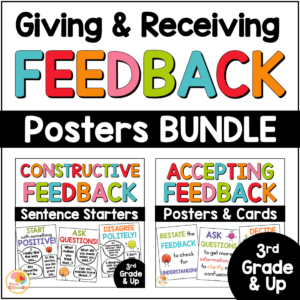
I’m not going to lie; I’ve yet to find any ELA anchor charts as thorough as THESE. The colors and graphics are fun and engaging for students, and the information is concise, yet thorough and clear. Each file includes a one-page general anchor chart and four additional charts with more specific information. They can be displayed on a bulletin board, used during language arts lessons, or pasted inside each student’s interactive notebook for future reference. Each poster comes in full-size, smaller card-sized versions, full-color, and black-and-white.

Anchor charts are a powerful tool for English language arts instruction. They provide a visual representation of key skills and concepts, encourage student engagement, develop critical thinking skills, and serve as a reference for future learning. By incorporating anchor charts in the classroom, specifically in your English language arts instruction, you can help your students achieve their full potential and become successful learners.