




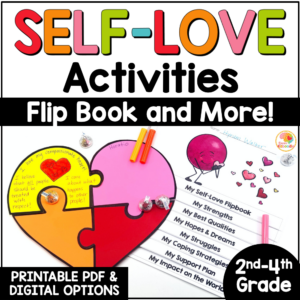
I loved everything in this resource. My fifth graders loved the flipbook. They reflected and practiced self-awareness, which is something we covered in SEL. I did this at the end of the year as a fun activity.
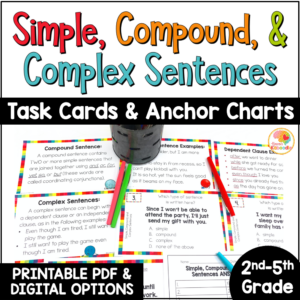
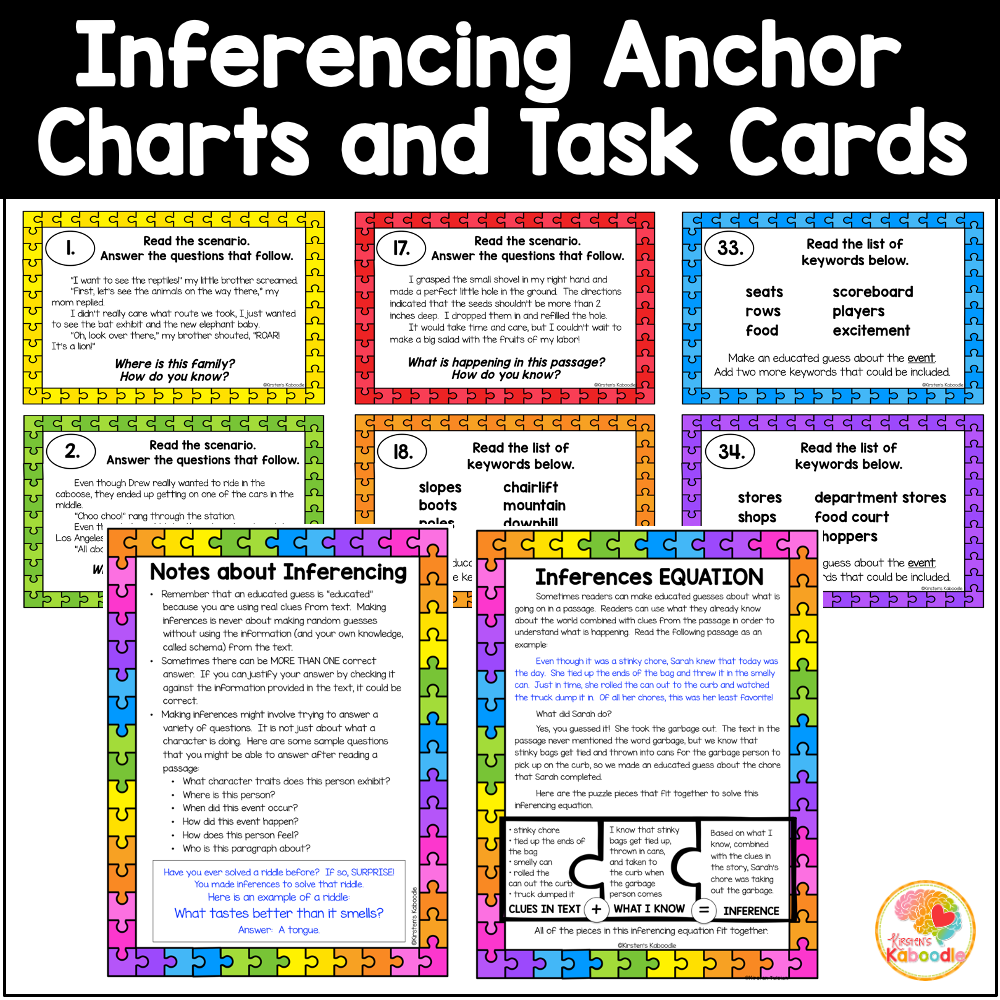
The task cards work wonderfully in literacy centers. They provide quick review and serve to upgrade student’s writing. Environment skill support is essential, and the anchor charts provide the scaffolding needed by many.
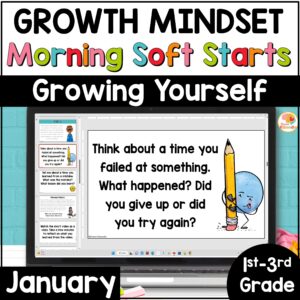
I loved this resource! It was simple to use, engaging, and relevant. I loved the simplicity of each slide. The text and graphics were kid-friendly, beautifully formatted for easy reading, and best of all, there was no prep!
WOW!!!!!! Five stars is not enough!!! I could not have been more impressed with the quality of this product!!!! Do not hesitate to purchase from this seller!
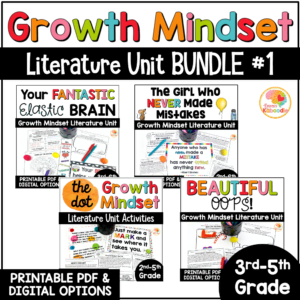
This is everything you could need and more. The titles are awesome, and the activities are so well done. My kids loved it across both of my grades. Wow!
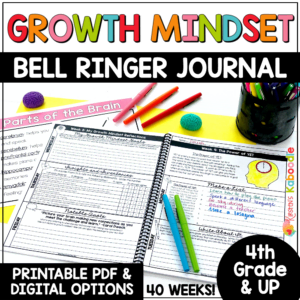
This is an amazing resource and I have used it over and over again! Thank you for such tremendous products! It barely fits in a year without skipping a few lessons.
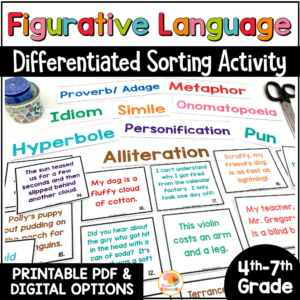
The examples on the cards were awesome. I was able to use the cards in multiple ways (bingo, flashcards, etc). This is an awesome resource.
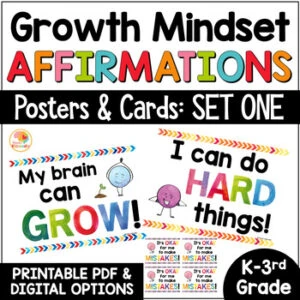
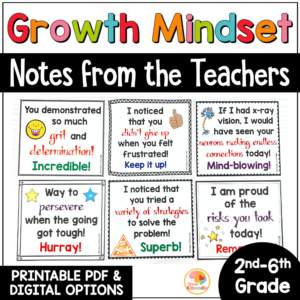
My class does Daily Affirmations, and these cards create great conversation starters as well as reminders. They enhance our Growth Mindset board so beautifully and help keep me on track when I start to feel frustrated. Print, laminate a set for your wall, and have kids copy them into a journal. Such a great boost to start the day!
I am very pleased with everything I purchased from your store! Thank you for creative, colorful, USEFUL resources!
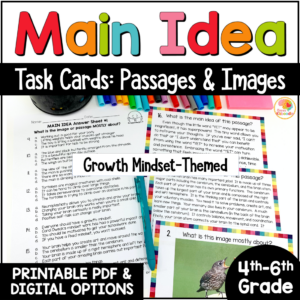
Getting to the main idea of a passage can be difficult for some students. Use this digital, as I did, for morning work or homework. Print out the PDF version and work small group.
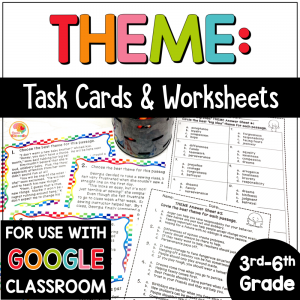
These task cards are set-up for easy use by the students in the Google classroom. The text is engaging and with the recommendation for 3rd grade to 6th grade, all students have an opportunity to have success.
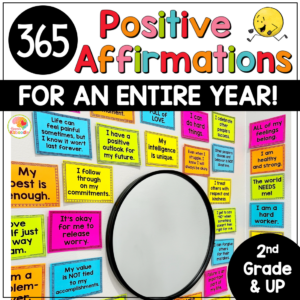
This resource doesn’t take much time to prep. I made copies on color paper, cut, and laminated them so I could store them for future use. Each morning, I share an affirmation that I feel my students can relate to and I have them share their feelings or point of view on the affirmation. I post each day’s affirmation on the wall near the classroom door, and we reference past ones as needed. My goal is to have a wall of affirmations by the end of the school year.
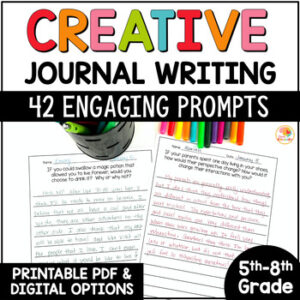
This has been a great resource for our journal writing in class! The prompts are always thought provoking and even get my hesitant writers to get something on the paper. Thank you!
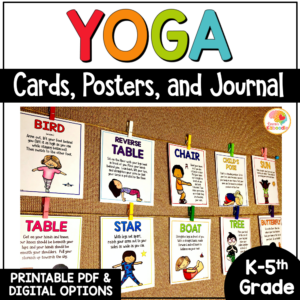
I love ALLLLL of your resources and this one is no exception! I use these (laminated) Yoga cards to reference when either myself or another student is leading the class in Brain Breaks in between subjects.
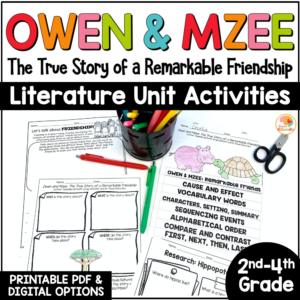
I used this during our Owen & Mzee unit on an emergency SUB day! The digital resource was perfect to assign via google classroom at home. I loved that my students were able to independently review multiple skills with our current text.
I love this bundle! I have used it for the past two years and it has been so great to use it to get to know my new students. My students also enjoy doing them as they are easy activities to do.
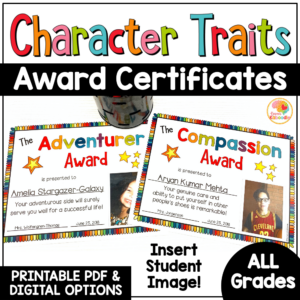
I absolutely loved these awards! I love all the categories. I love all the sayings that go with each category. I love how there are boy and girl awards for each category, and most of all I love how super easy it was to use! All I had to do was enter my name and date and it was added to each award automatically. Then all I had to do was fill in the names. Thanks for this resource!
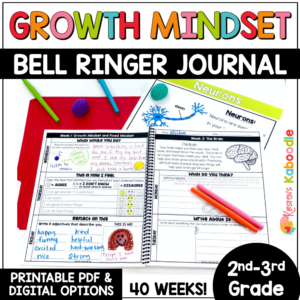
I’ve purchased many Growth Mindset resources over the years, and this is by far one of the best. It is thoughtfully put together, thorough, and meaningful. The students are engaged…and mindsets are shifting! Love it. Thanks!
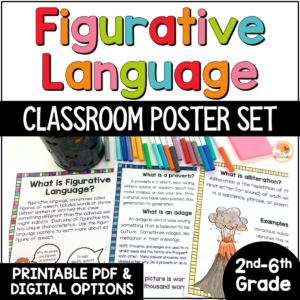
This is an excellent resource. Well created, student friendly, clear and concise! Thank you so much for sharing your talents!
This was the best resource I have found for teaching my students strategies for figuring out unknown words. We completed one of each type of activity in a whole group setting. Then they practiced with a partner before doing their independent practice. My students were highly successful with this resource. Thank you!






Laura Shirtliffe –
Great for my older students.
Joy Castro –
Sensational!! Thank you
Alison La Luz –
Great resource!
Jenny S –
Very nicely organized with great activities! Lots of variety too!
Colleen M –
amazing resource
Lucy R –
Awesome packet
Meghan M –
Awesome Resource thank you!
Michelle K –
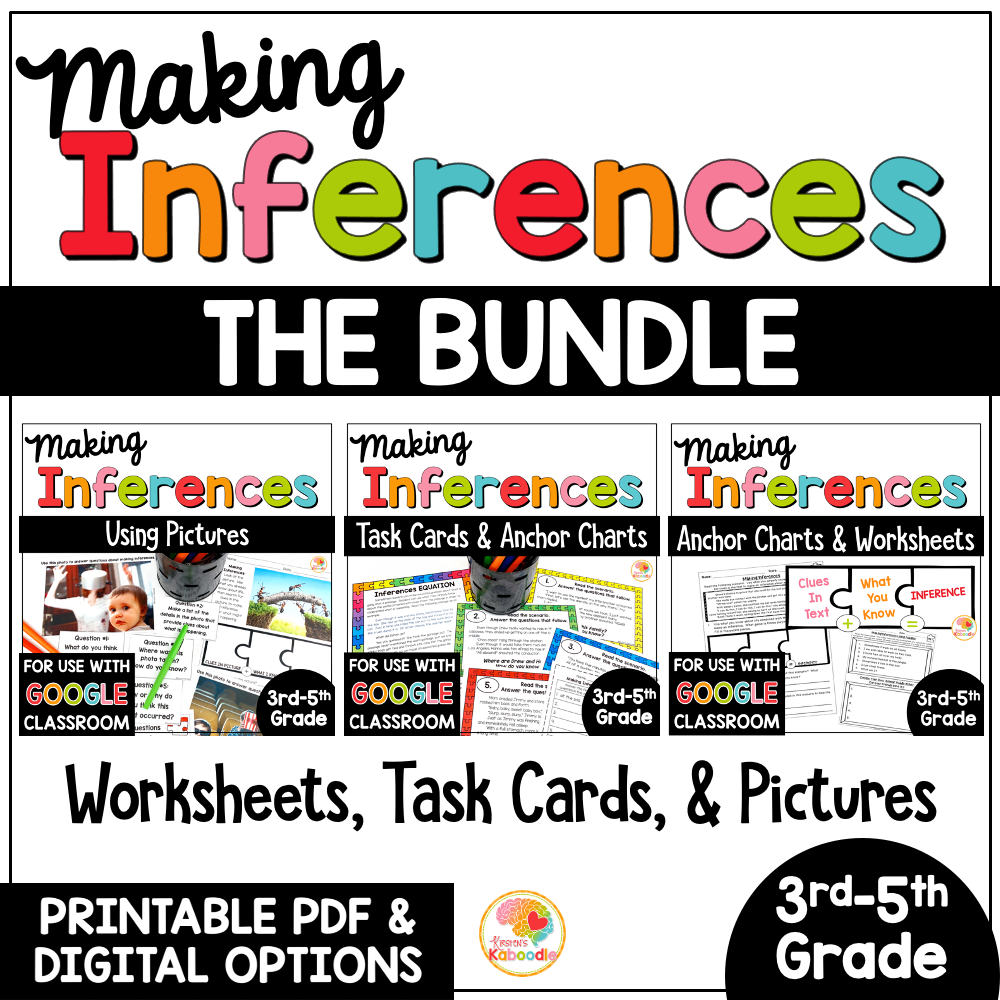
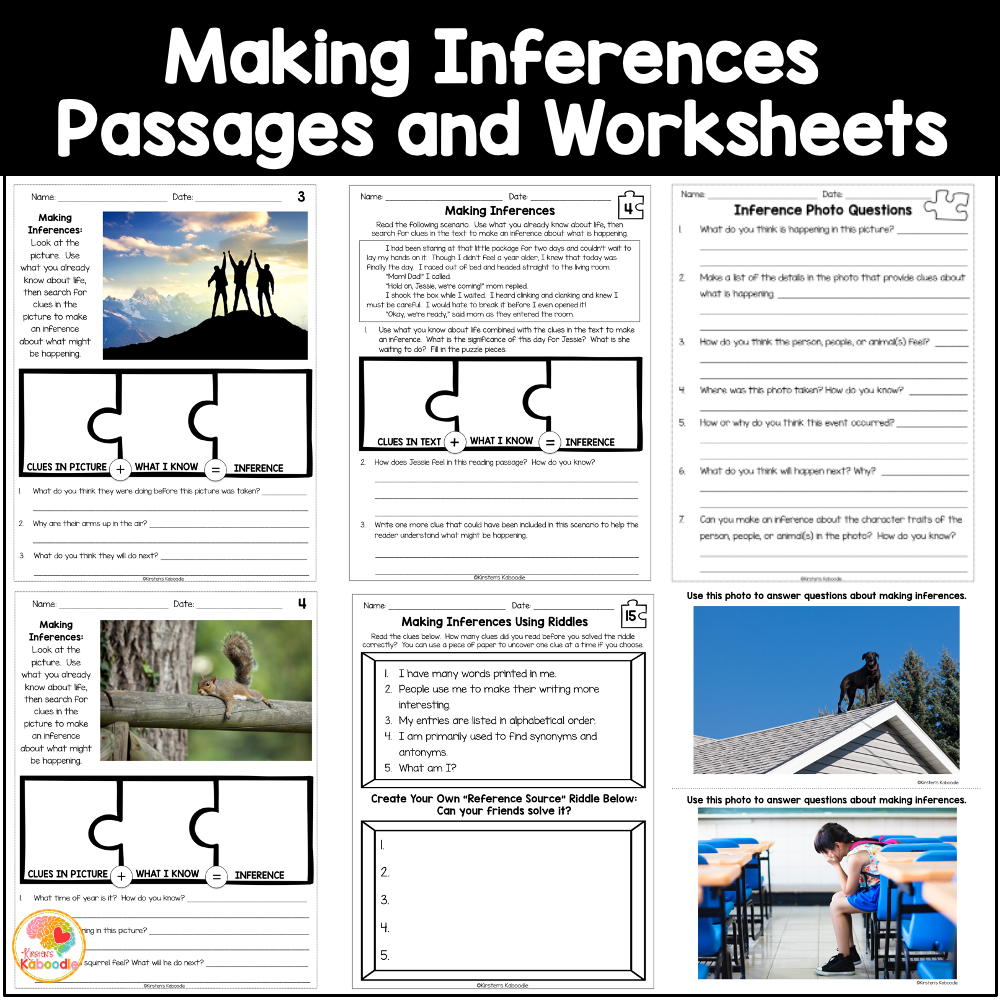
Thank you for sharing this resource. I appreciated all the different activities this bundle included to allow my students practice on making inferences. My students and I really enjoyed solving the inferencing riddles and creating our own.
Plonge –
Thanks 🙂
The Pug Life Teacher –
Exactly what I needed!!!
Jeffrey W –
Good
dorothy L –
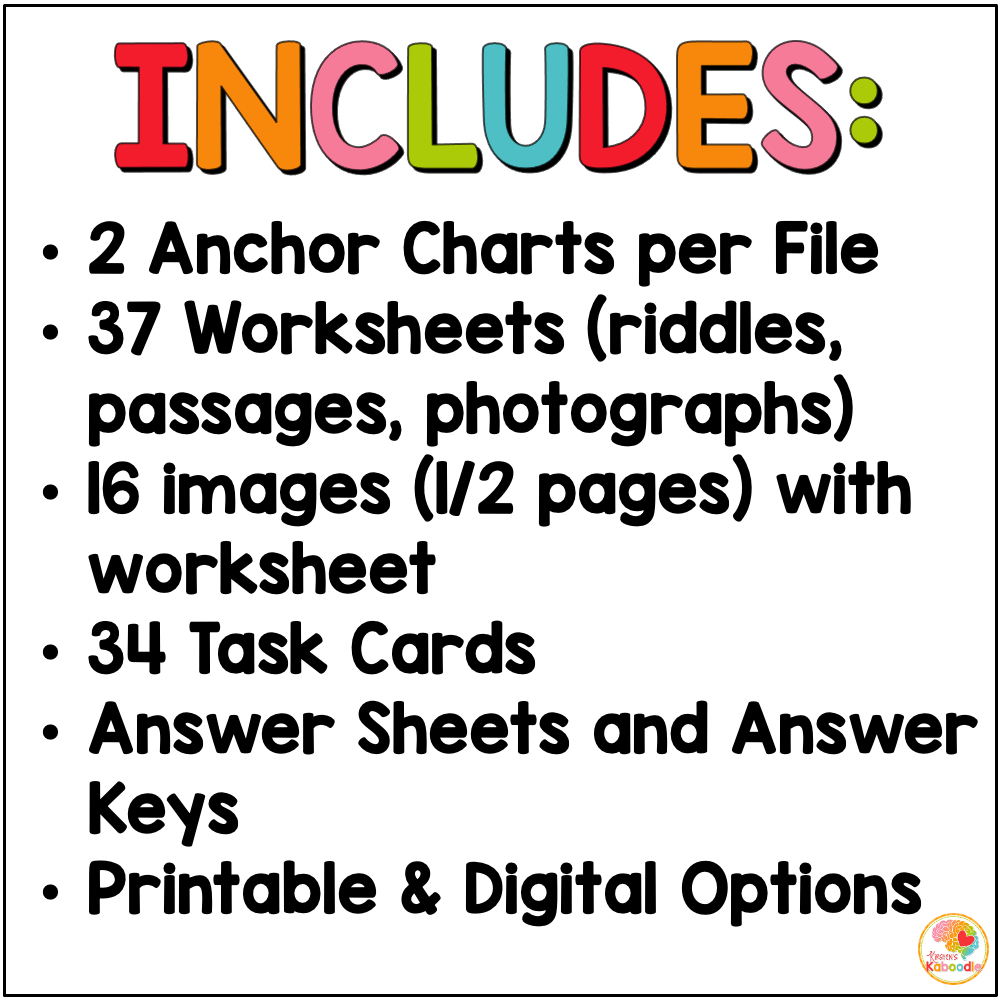
I enjoy the fact that there are several worksheets available to work on perfecting skills with my students.
dorothy L –
I enjoy the fact that there are several worksheets available to work on perfecting skills with my students.
California Teaching –
Thank you!
Debbie Topham –
Thanks
Nicole M. –
thanks
Tamora Taylor –
This is a great way to teach and reinforce the concepts throughout the year.
Darcy S –
This is helpful for my language students who need more scaffolding.
Nicole P –
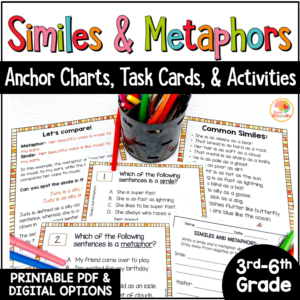
This bundle has great activities to allow for teaching each skill, as well as independent practice. I used the activities for small group instruction, introducing each type of figurative language, then worked through the activities supporting the students, and then allowed them to complete the task cards independently. It was scaffolded well. This also provided me with several weeks of instruction.
Jamie D –
Excellent resource!